
Library Study Booths for Campus Spaces: Modular Booth Systems That Adapt to Modern Universities
Posted on 14 July 2026
Introduction
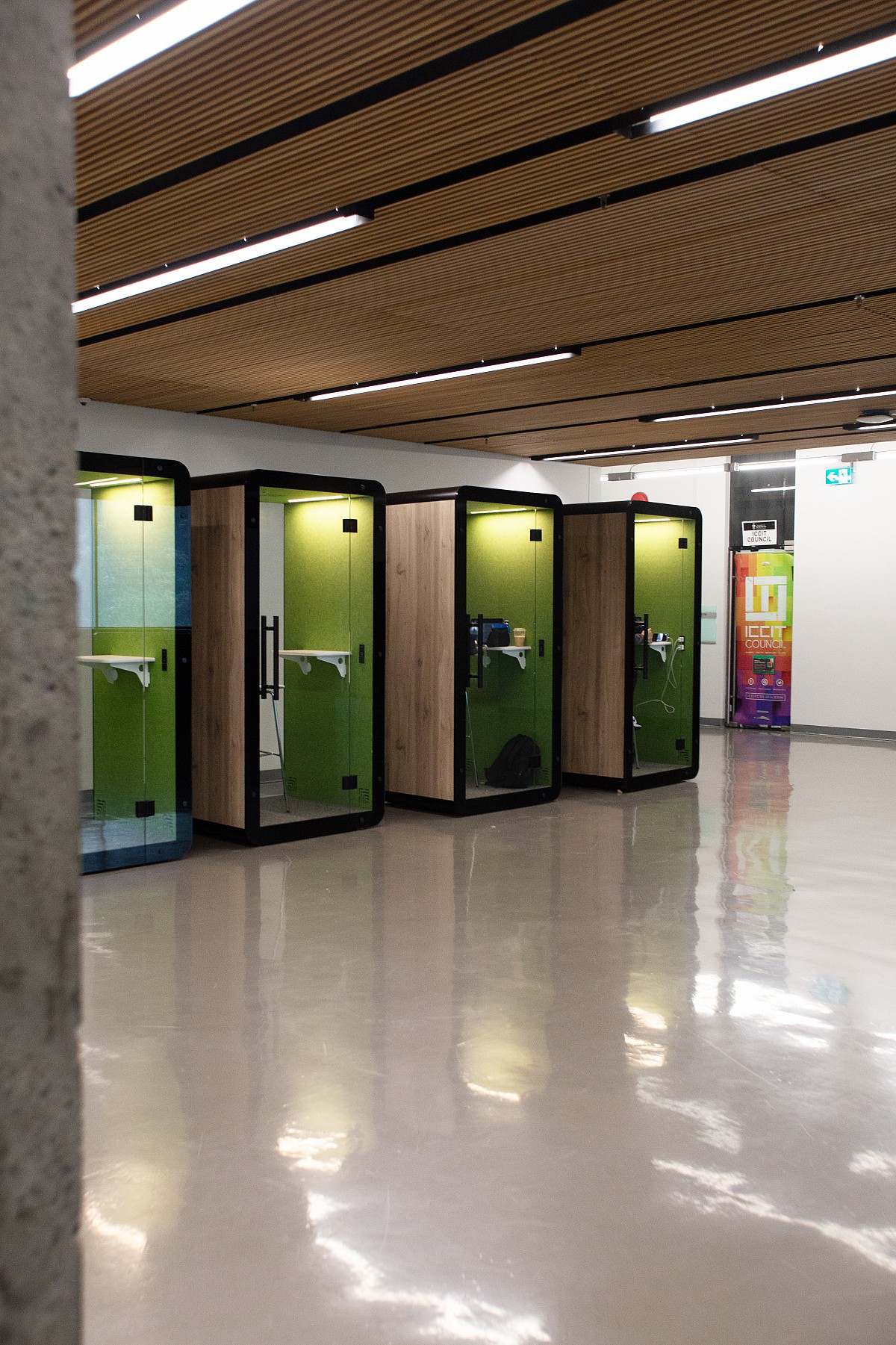
Today's university campuses serve many purposes beyond traditional classrooms. Libraries have become collaborative learning hubs, students need quiet spaces for online exams and virtual meetings, and campus planners must continually adapt existing buildings without major renovations.
Traditional construction is expensive, disruptive, and difficult to modify as campus needs evolve.
Modular booth systems offer a flexible alternative. They provide private study areas, meeting spaces, and acoustic rooms that can be installed quickly, relocated when needed, and expanded over time.
For universities focused on maximizing existing space while improving the student experience, modular booth systems have become an increasingly practical solution.
Why Universities Are Choosing Modular Booth Systems
Modern campuses require spaces that support multiple learning styles.
Students often need:
- quiet individual study
- group collaboration
- virtual interviews
- online classes
- confidential advising
- accessible meeting spaces
Rather than permanently dividing library floors, universities can install modular booth systems that create dedicated spaces while preserving flexibility.
Benefits include:
- rapid installation
- minimal disruption
- reusable infrastructure
- improved acoustics
- adaptable layouts
Why Campuses Struggle with Traditional Construction
(Answers: Why do campuses struggle with modular booth solutions for students? Compare modular booth systems versus traditional construction.)
Many campus buildings were designed decades ago.
Adding enclosed rooms often requires:
- permits
- contractors
- electrical work
- HVAC changes
- weeks or months of disruption
Construction also creates permanent layouts that may no longer fit future enrollment or program changes.
Modular booths eliminate many of these challenges.
They arrive largely assembled, require little or no structural modification, and can often be installed within a day.
Library Study Booths Create Better Learning Environments
Students increasingly seek quiet places away from busy common areas.
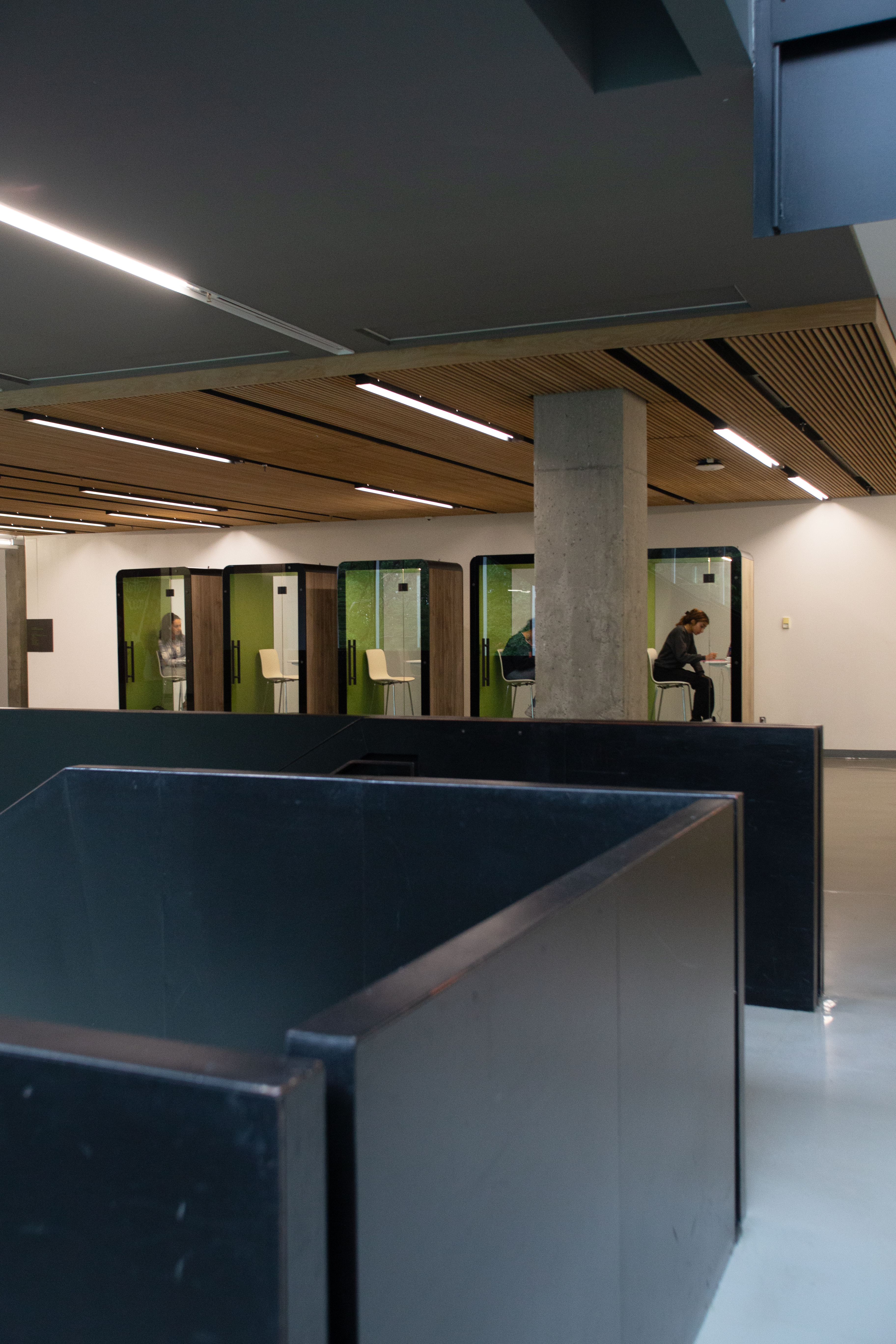
Library study booths help reduce distractions by providing:
- speech privacy
- acoustic insulation
- individual focus spaces
- comfortable seating
- power outlets
- ventilation
- lighting
Rather than reserving entire study rooms, students can use individual booths throughout the library.
Flexible Student Collaboration Spaces
(Answers: What modular booth options suit flexible student collaboration spaces?)
Not every learning activity requires complete silence.
Universities benefit from providing spaces where small groups can:
- brainstorm projects
- prepare presentations
- conduct research
- participate in hybrid meetings
- meet with instructors
Modular collaboration booths can accommodate two to six users while reducing noise transfer into surrounding study areas.
This allows libraries to support both focused work and active collaboration.
Easy Reconfiguration for Facilities Teams
(Answers: Which modular booth systems are easiest for facilities teams to reconfigure?)
One of the greatest advantages of modular booth systems is adaptability.
Facilities managers can:
- relocate booths between buildings
- expand existing layouts
- add additional booths over time
- reconfigure learning zones
- support temporary renovations
Unlike permanent walls, modular systems evolve with campus needs.
This flexibility helps universities maximize long-term investment.
Campus Space Planning Without Major Renovations
(Answers: How do education facilities plan modular booths for public spaces?)
Space planning has become increasingly important as universities balance:
- student wellness
- collaborative learning
- accessibility
- hybrid education
- limited budgets
Instead of constructing additional rooms, planners can introduce modular booths throughout:
- libraries
- student centres
- innovation hubs
- faculty buildings
- residence commons
- research facilities
The result is better utilization of existing square footage.
Modular Furniture for Education
Modular furniture works best when combined with acoustic booth systems.
Universities can create complete learning environments using:
- movable seating
- flexible tables
- mobile whiteboards
- collaborative booths
- quiet pods
These components allow spaces to evolve semester after semester.
Why Library Study Booths Improve Student Experience
Students consistently value environments that support concentration.
Dedicated quiet booths can help students:
- focus longer
- reduce distractions
- attend virtual classes
- complete interviews
- record presentations
- conduct confidential conversations
Libraries become more versatile without sacrificing openness.
Facilities Management Benefits
Facilities teams appreciate modular solutions because they reduce operational complexity.
Advantages include:
- predictable installation
- lower renovation costs
- easy maintenance
- simplified cleaning
- future scalability
- relocatable assets
Instead of investing in permanent construction, institutions gain infrastructure that can evolve.
Why Kubebooth Is Designed for Educational Spaces
Kubebooth modular booth systems are designed for environments that require flexibility, durability, and excellent acoustic performance.
Universities choose Kubebooth because our booths offer:
- excellent speech privacy
- modern ventilation
- integrated lighting
- power connectivity
- multiple booth sizes
- modular expansion
- relocation capability
- minimal installation disruption
Whether creating individual study booths or collaborative learning rooms, Kubebooth helps campuses maximize existing space while supporting the changing needs of students and faculty.
Frequently Asked Questions
What is the best modular booth for quiet study areas?
The best modular booth provides excellent acoustic insulation, ventilation, integrated power, comfortable seating, and easy maintenance while fitting within existing library layouts.
Which modular booths work best for university libraries?
University libraries benefit from modular booths that support both individual study and small-group collaboration while remaining easy to relocate and expand.
What makes it hard to add modular booths without construction?
Traditional enclosed rooms often require permits, contractors, and structural work. Modern modular booth systems minimise these requirements by installing independently within existing spaces.
Which modular booth providers specialise in education?
Universities often look for manufacturers with experience supporting libraries, student centres, collaborative learning spaces, and public-sector facilities. Key considerations include acoustic performance, durability, accessibility, installation speed, and long-term flexibility.
Are modular booth systems better than building new rooms?
For many campus projects, modular booths offer faster installation, lower disruption, and greater flexibility than permanent construction. The right choice depends on the institution's budget, building constraints, and future space-planning needs.
Conclusion
University libraries continue to evolve into flexible learning environments that support individual focus, collaboration, hybrid education, and student well-being.
Rather than committing to expensive renovations, modular booth systems allow campuses to create quiet study areas, collaborative learning spaces, and adaptable environments quickly and efficiently.
As educational needs continue to change, flexible infrastructure gives facilities managers the ability to respond without rebuilding their spaces.